Ocean and Space Pollution, Artistic Practices and Indigenous Knowledges

OSPAPIK

OSPAPIK is a multidisciplinary research project examining the way in which the knowledge, know-how, creativity and memory of Indigenous peoples are mobilised in the contemporary arts in response to the socio-environmental crises affecting the ocean and space.

This project was built around a number of research questions, including the following two:

  1. How are waste and debris perceived from an emotional, sensory, and conceptual point of view when they are included in Indigenous art projects and intercultural collaborations?
  2. To what extent can art help us to understand the impact of pollution and waste on the relationship that people build and maintain with the ocean and space?
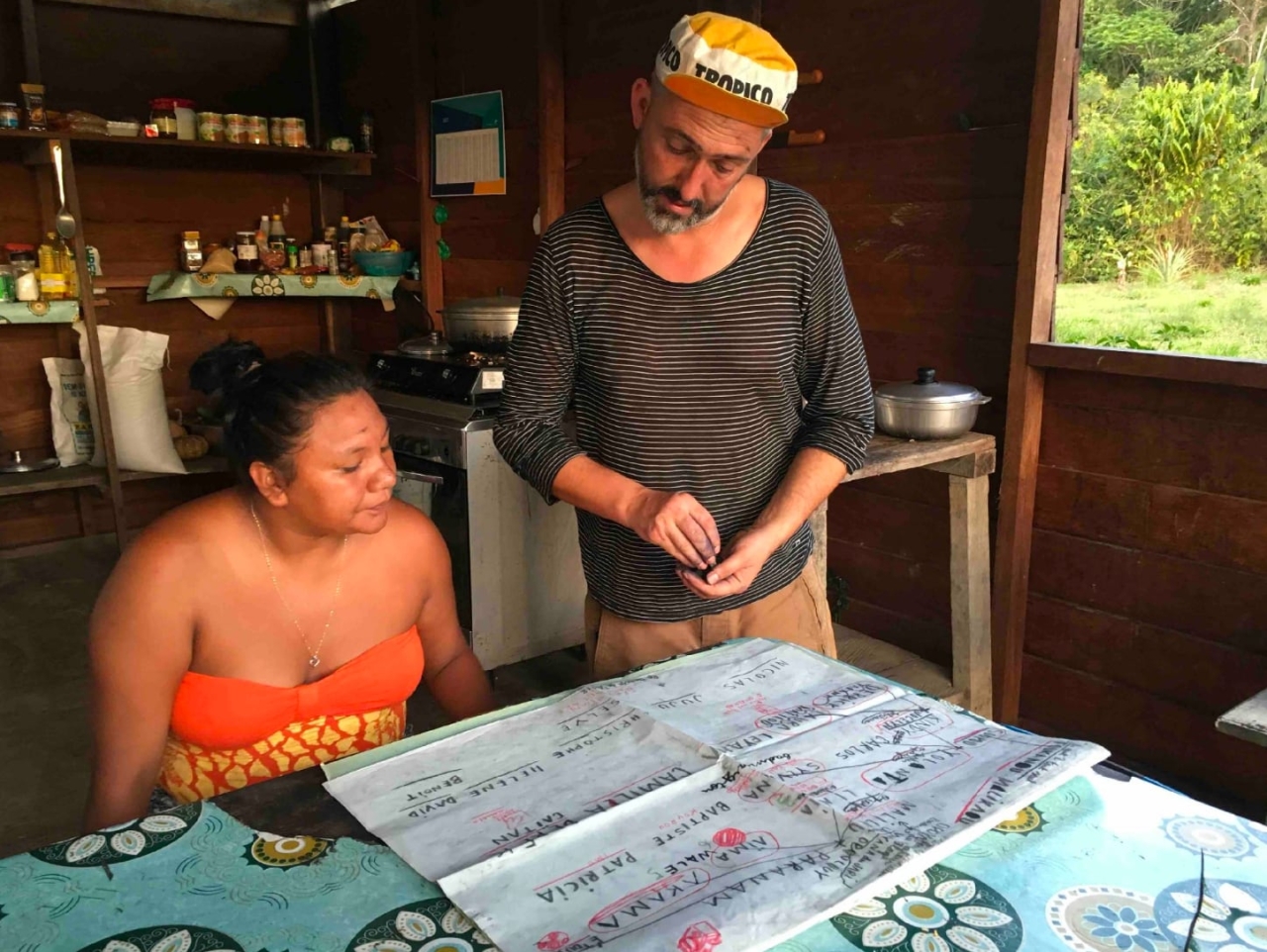
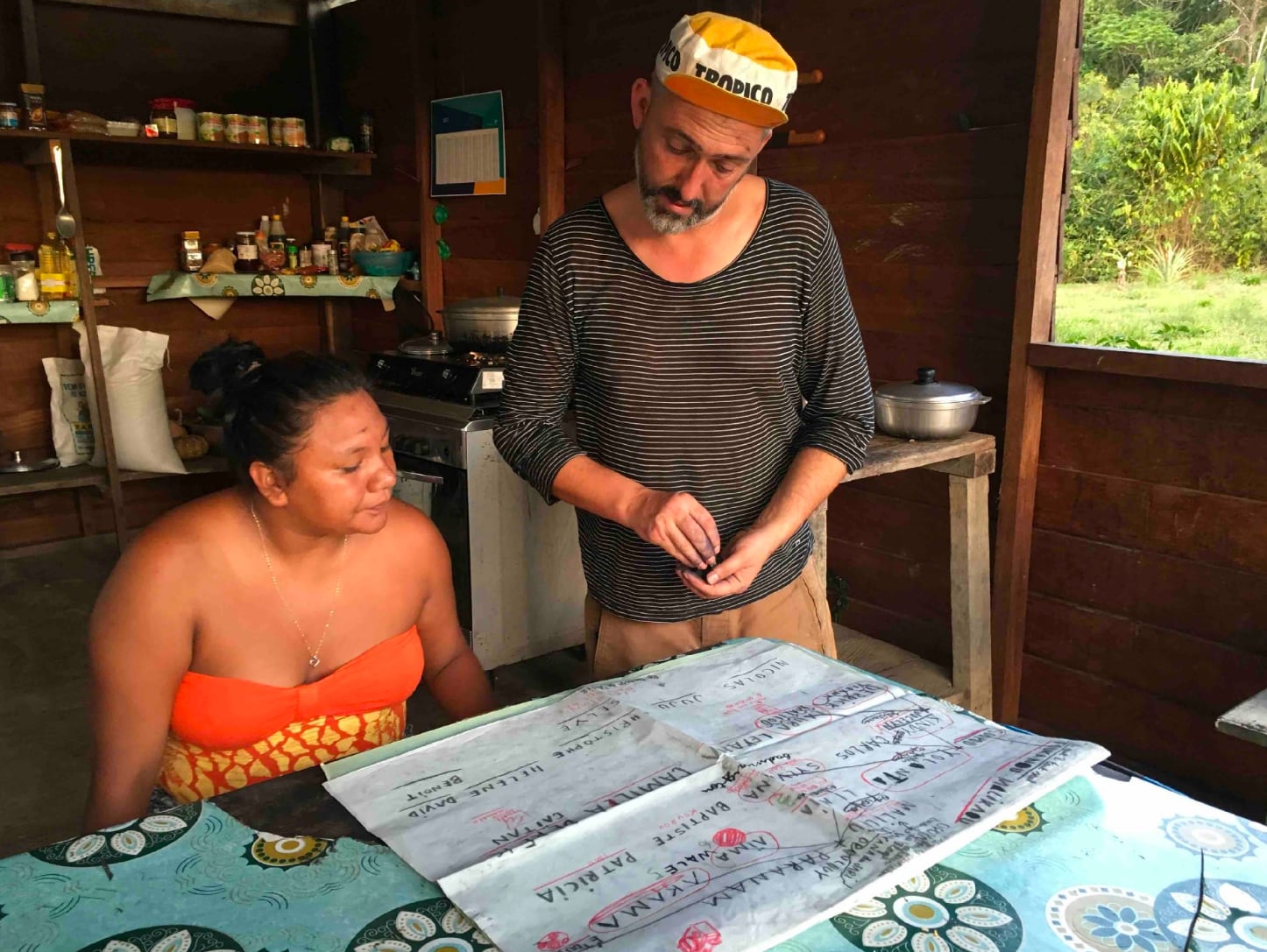
Sylvana Opoya, a young Wayana woman describes her family tree to illustrator Benoît Bonnemaison-Fitte © Julien Cassierle & GdRA
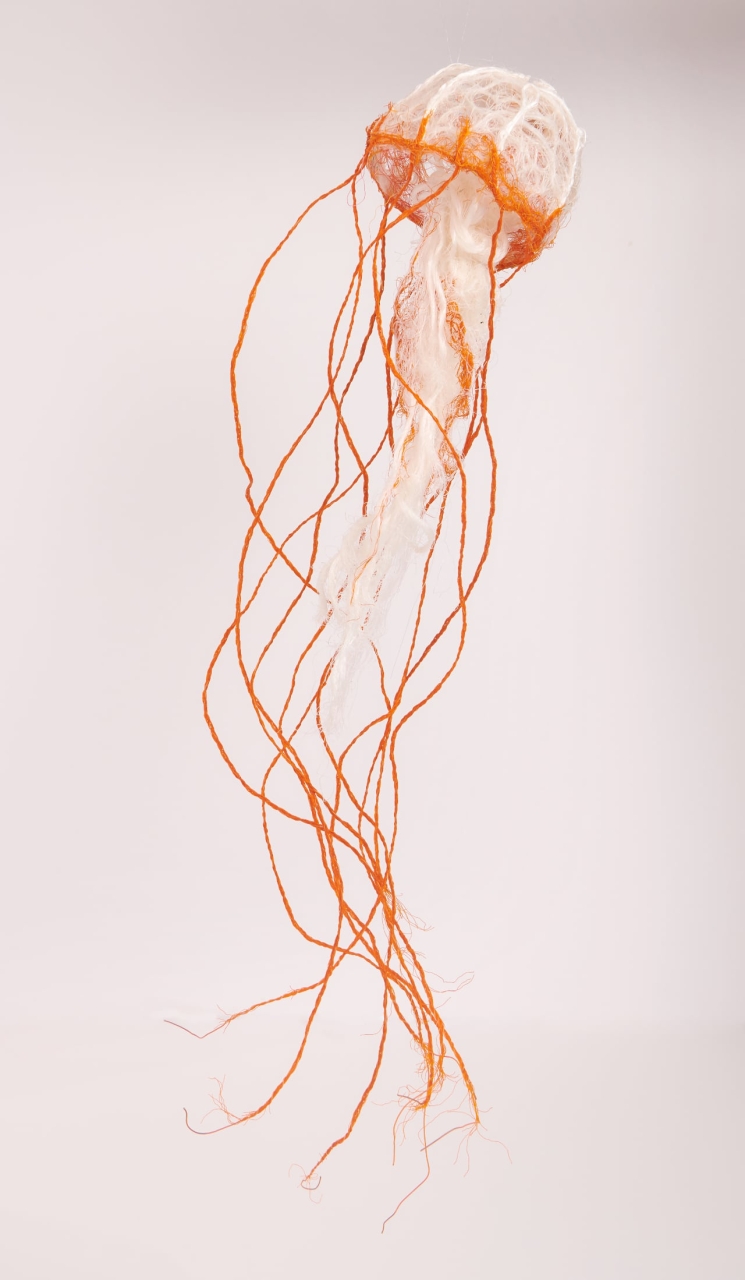
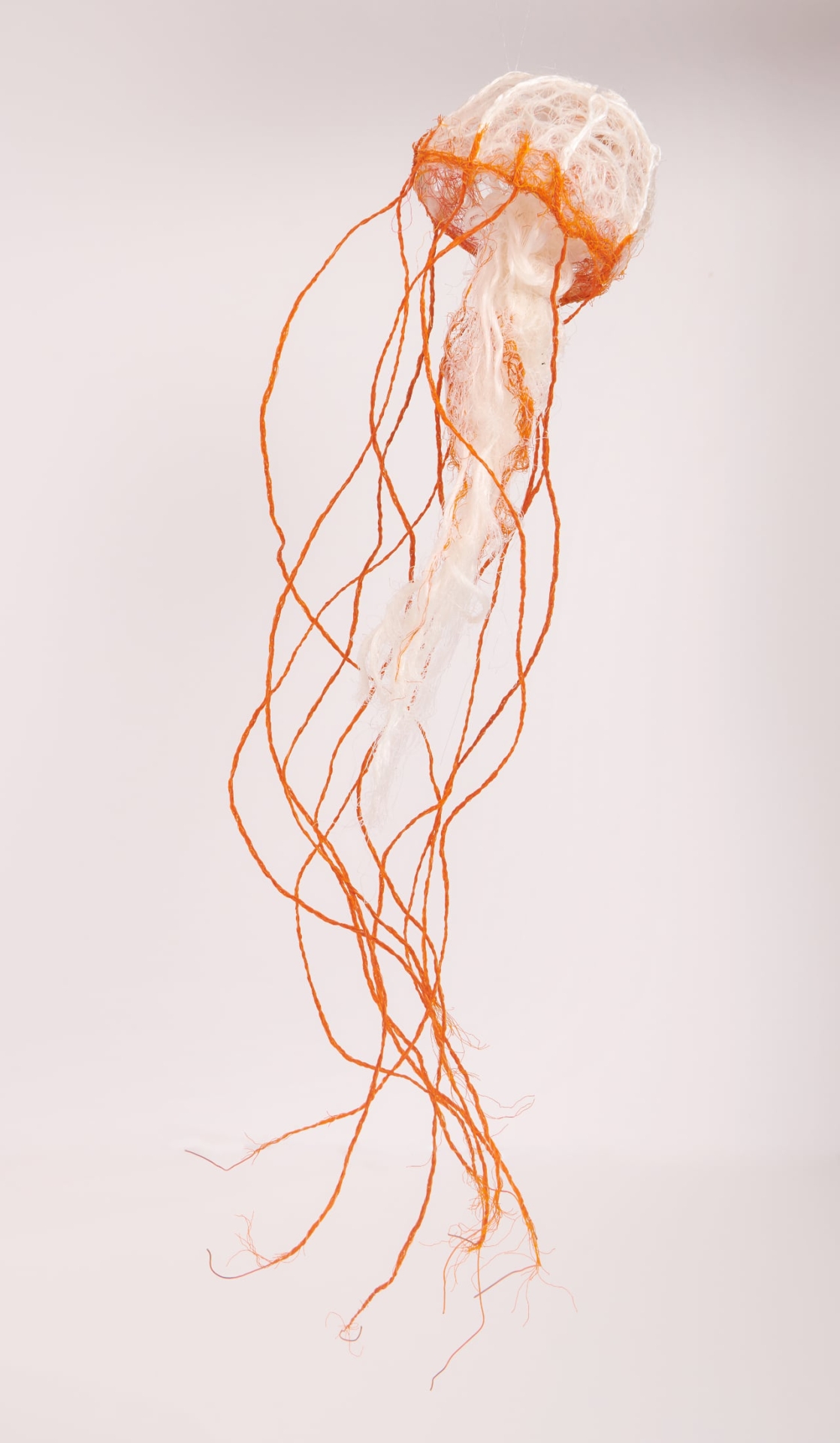
Ghostnet sculpture of a jellyfish, Lynnette Griffiths, 2021. © Lynnette Griffiths & the Museum of Natural History, Le Havre, France
Ghostnet sculpture of a jellyfish, Lynnette Griffiths, 2021 © Lynnette Griffiths & the Museum of Natural History, Le Havre, France
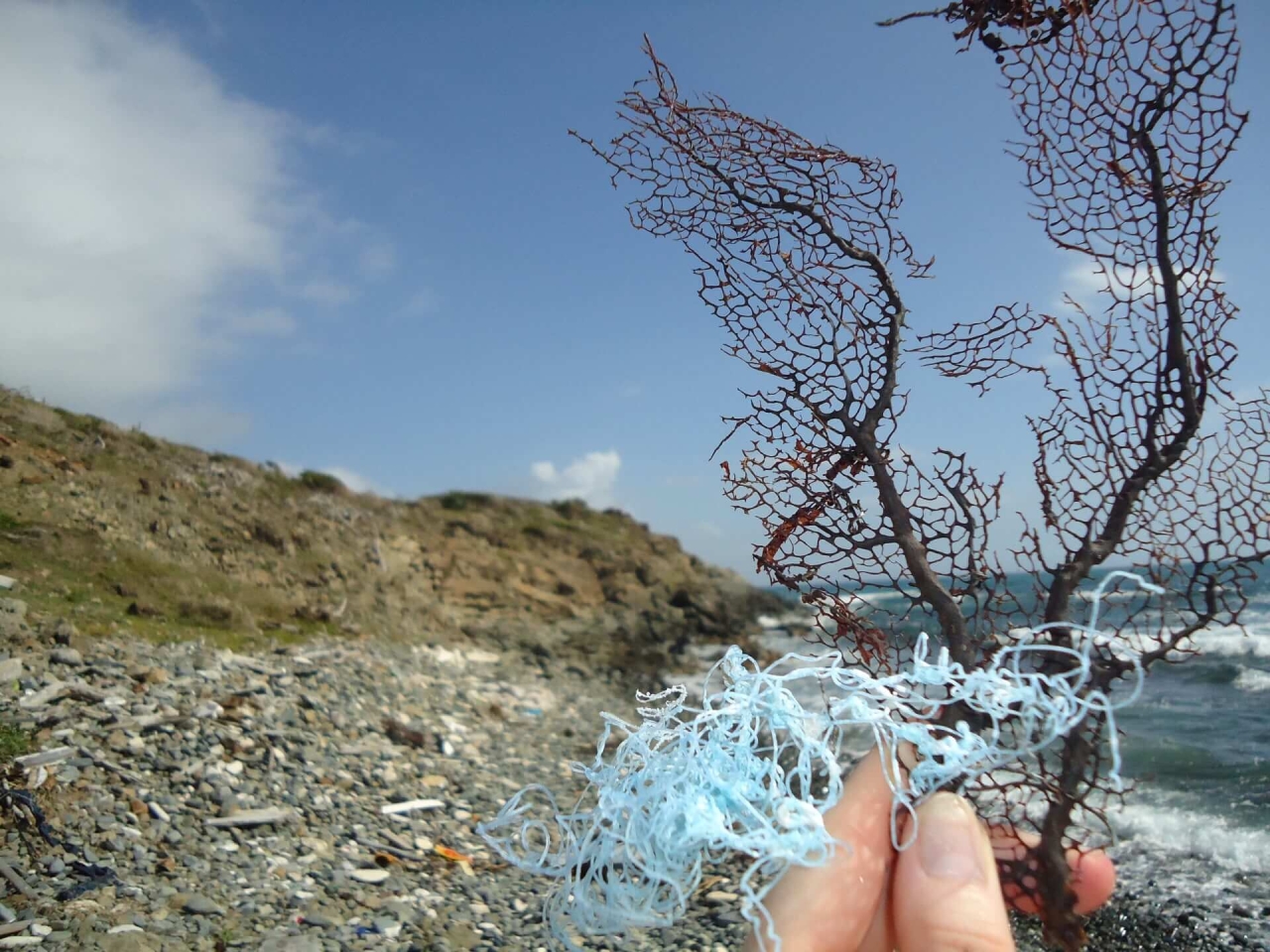
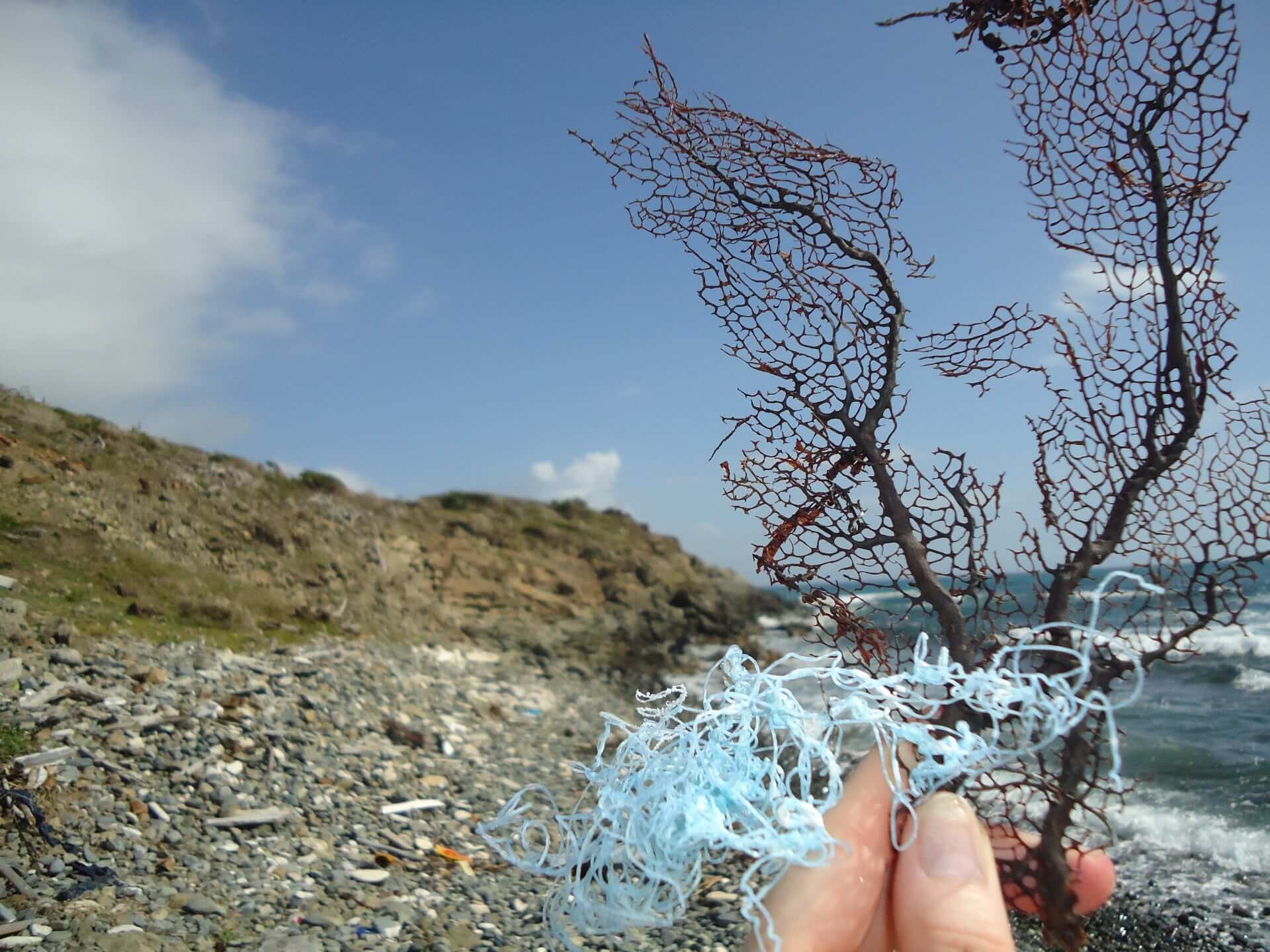
A coral branch tangled in plastic in Saint-Martin, Caribbean, 2016. © Géraldine Le Roux
A coral branch tangled in plastic, Saint-Martin, Caribbean, 2016. © Géraldine Le Roux
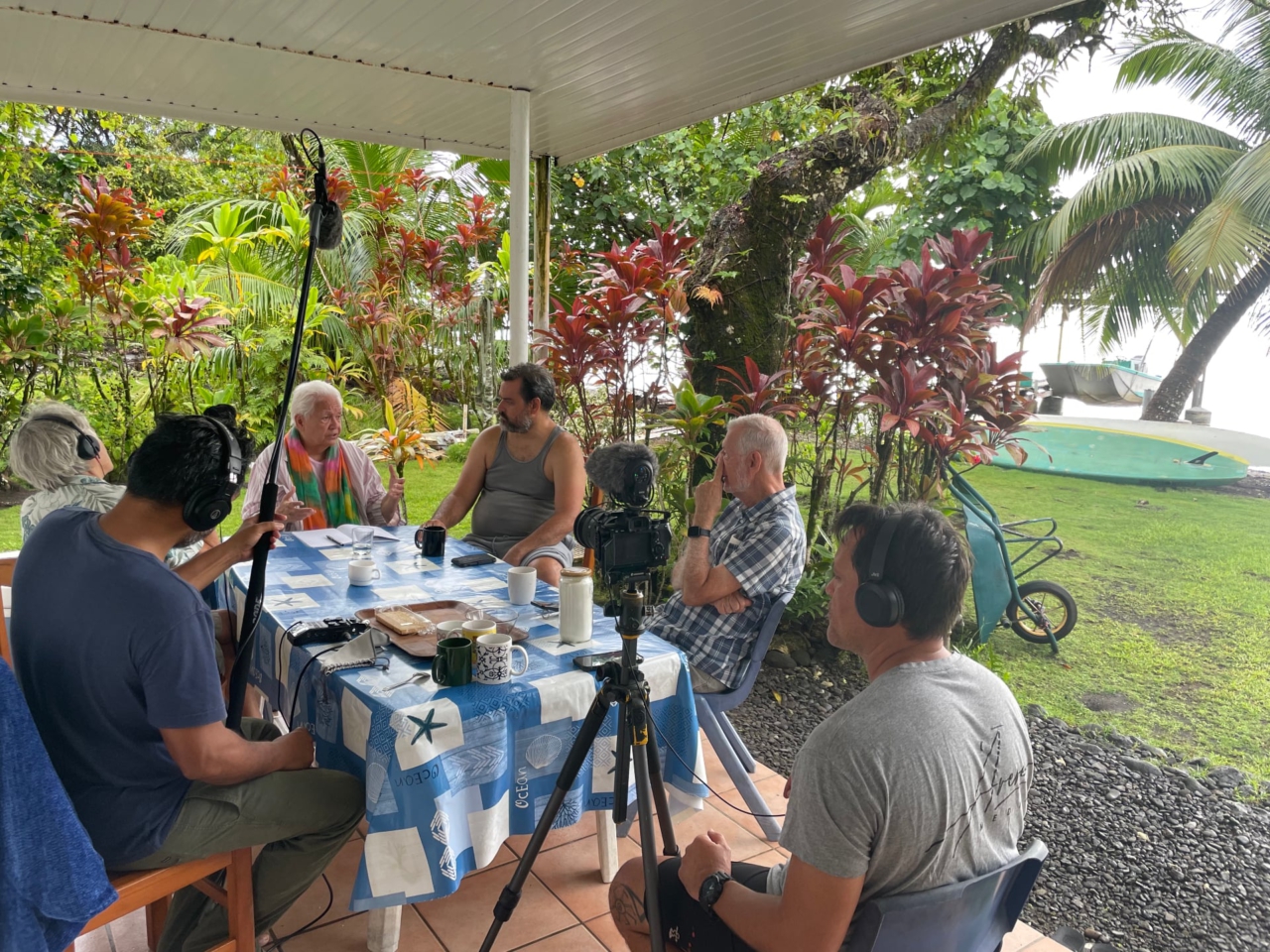
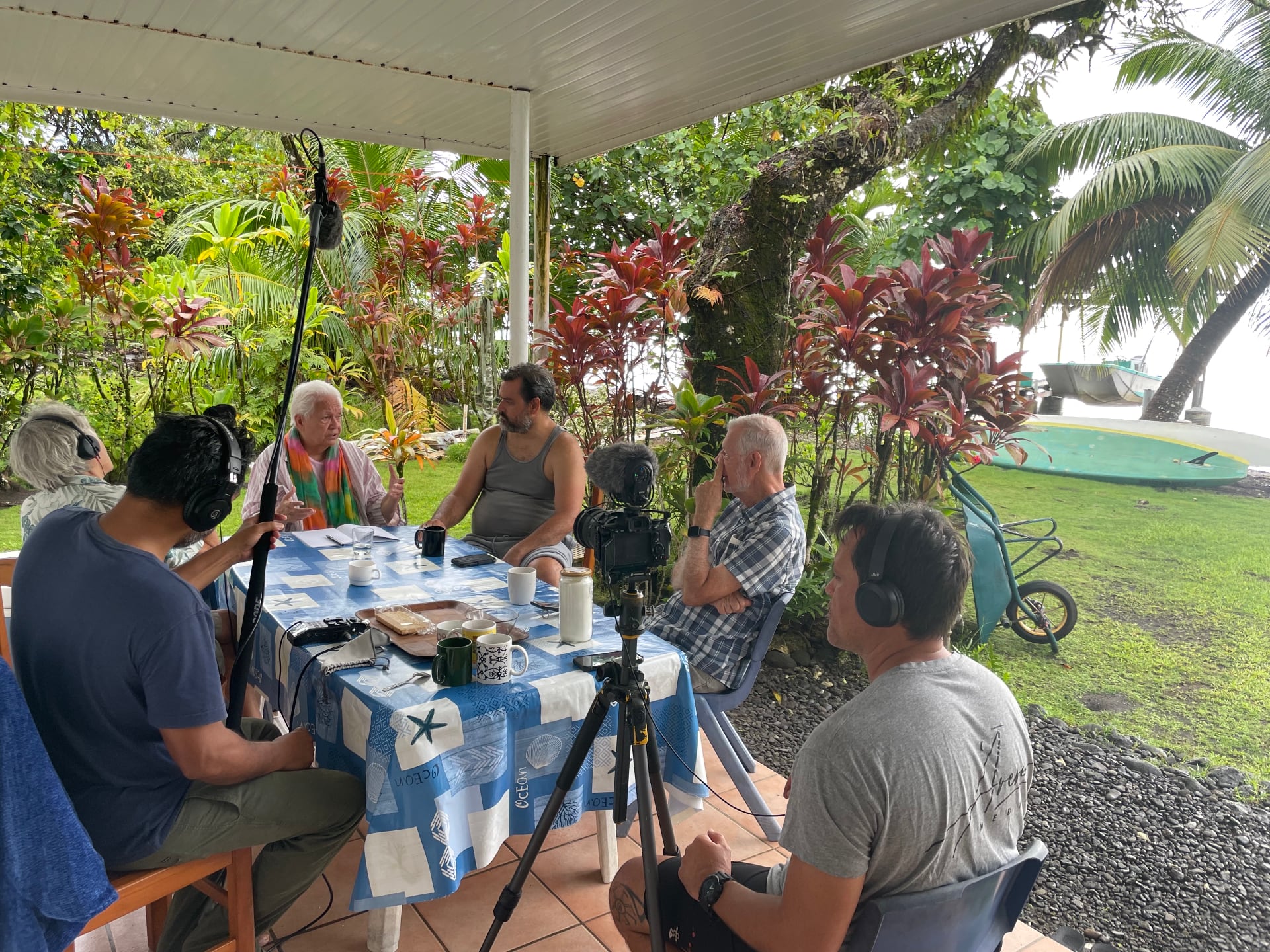
Scene from the shooting of the film, Flora Aurima Devatine, les étoiles de l'aurore - Te feti'a taiao 'averau,
Scene from the shooting of the film, Flora Aurima Devatine, les étoiles de l'aurore - Te feti'a taiao 'averau, , (dir. Estelle Castro-Koshy, Tokainiua Devatine and Matahi Tutavae; prod. ‘Arere Media), 2022. © Estelle Castro-Koshy